
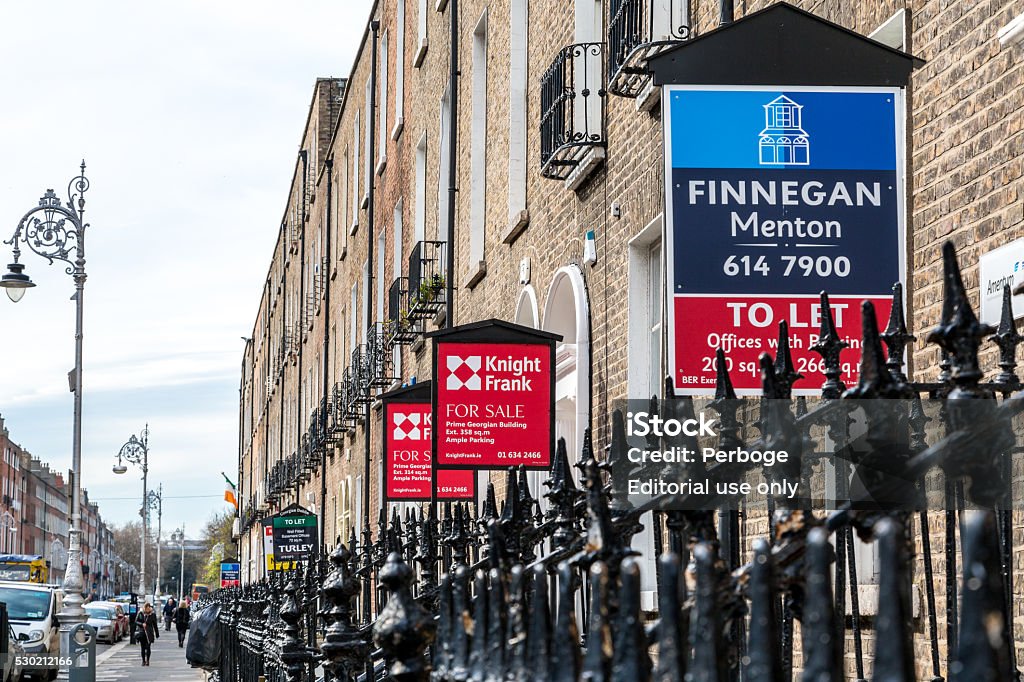
2025 Property Market in Ireland: A Year of Change and Opportunity
As we move through 2025, the Irish real estate market is continuing to evolve. Here’s a snapshot of what’s shaping both the residential and commercial sectors:
Residential Market:
High Demand Meets Limited Supply.
Despite efforts to boost construction, the demand for both homes and rental properties remains high, especially in urban centres like Dublin, Cork, Limerick, Waterford and Galway. The shortage of affordable housing continues to be a challenge, keeping prices above pre-pandemic levels.
Prices Stay Strong, But Slowing Growth.
While the Irish property market saw a dramatic surge over the past few years, 2025 is showing signs of a more balanced growth. Prices are still climbing, but at a slower pace, as buyers and investors are becoming more cautious due to rising interest rates and inflationary pressures.
First-Time Buyers Still Struggling.
Getting onto the property ladder is tough for many, with affordability being a major barrier. Government initiatives like the Help-to-Buy scheme are helping, but more needs to be done to make homeownership a realistic goal for younger buyers.
Sustainability & Eco-Friendly Homes on the Rise.
There’s a clear shift towards sustainability, with eco-friendly homes and green building practices gaining traction. Whether it’s energy-efficient designs or homes built with sustainable materials, buyers are becoming more conscious of their environmental impact.
Rental Market Tightens.
The rental market remains extremely competitive, with rents continuing to rise, especially in major cities. With fewer properties available and increased demand, many renters are finding it difficult to secure affordable housing.
Commercial Market:
Post-Pandemic Recovery.
The commercial property sector in Ireland is showing strong signs of recovery in 2025. Office space, retail, and industrial properties are seeing increased demand as businesses adjust to hybrid work models and supply chain needs.
Office Space Adaptation.
With many companies still embracing hybrid or remote work, the demand for traditional office space has softened. However, there’s a growing interest in flexible, co-working spaces as businesses seek to provide employees with options that suit a more hybrid workforce.
Retail Challenges and Opportunities.
The retail sector is in a state of transformation. While e-commerce continues to grow, many retail brands are doubling down on the in-store experience, leading to a resurgence in demand for high-quality retail spaces in prime locations. It’s not all doom and gloom—brick-and-mortar stores that offer unique experiences are seeing a resurgence.
Industrial Growth Continues.
The industrial and logistics sector remains one of the strongest performers in Ireland’s commercial property market. With the rise of e-commerce and demand for efficient supply chain management, warehouses and distribution centres are in high demand, particularly along key transport routes.
Sustainability Takes Centre Stage in Commercial Spaces.
Sustainability is also a top priority in the commercial sector, with companies focusing on energy-efficient buildings, green certifications, and renewable energy sources. Landlords and developers are increasingly incorporating sustainable features to meet both legal requirements and tenant demand.
Investment Activity Grows
Despite global economic uncertainty, Ireland remains an attractive market for commercial property investors. With stable returns, low vacancy rates in key sectors, and a strong demand for prime locations, commercial real estate is still seen as a solid investment option.
Looking Ahead:
The outlook for Ireland’s real estate market in 2026 shows steady but cautious growth. The residential sector faces challenges in terms of affordability and supply, while the commercial sector is finding new opportunities in adapting to hybrid work, e-commerce growth, and sustainability initiatives.
