
Home‑Buying Process Fuels Overbidding


Red graph chart rising up on stack coins and house model on wooden table white wall background. Concept of money management for mortage loan, fed increase interest rate, real estate property price increase up.

ESRI Study Finds HomeBuying Process Fuels Overbidding and Stress for Buyers

A new study from the Economic and Social Research Institute (ESRI) has found that Ireland’s current home‑buying process is contributing to inflated prices, significant delays, and rising stress levels among purchasers. The research, funded by the Competition and Consumer Protection Commission (CCPC), highlights widespread misunderstandings about buyer and seller rights as well as the impact of auction-style bidding on final sale prices.


Auction Systems Driving Higher Prices

The ESRI’s Behavioural Economics Unit conducted a controlled auction experiment with 800 adults and found that open and online bidding systems—while perceived as more transparent—actually led to higher levels of overbidding. Many participants exceeded their original budgets and even bid above what they believed the property was worth.

Researchers attribute this behaviour to “auction fever,” where competitive pressure and loss aversion push bidders to escalate their offers. Each time a bidder is outbid, it can feel like a small loss, motivating them to continue raising their bid.

Gaps in Public Understanding

The study also uncovered significant gaps in public knowledge about the legalities of the home‑buying process:

  • Only one in five people knew that estate agents can continue to market a property even after it goes “sale agreed.”
  • Most buyers were unaware that they can withdraw from a purchase without penalty before contracts are signed.
  • While two‑thirds of respondents understood that sellers cannot accept multiple deposits for the same property, many remained unclear about other key rights and responsibilities.


Delays a Major Source of Stress

Delays emerged as the most common and stressful issue for both buyers and sellers.

Among those who had purchased a home:

  • 63% experienced at least one major hurdle.
  • This figure rose to 80% for buyers who purchased within the last three years.
  • One‑third of second‑hand buyers reported conveyancing delays.
  • More than a quarter of new‑build buyers faced delays moving in.

Other challenges included unexpected additional costs, sellers pulling out of deals, and discovering issues with the property after the sale.

Call for Reform

Dr Deirdre Robertson, Senior Research Officer at the ESRI, said the findings show that buyers are navigating a system they “may not fully understand,” with delays and bidding practices contributing to unnecessary stress and inflated prices. She noted that the most commonly used bidding systems “encourage people to overbid,” suggesting that reforms may be needed to create a fairer and more efficient process.

Read More

Minister Announces Calls for Housing Infrastructure Projects


Minister to announce call for housing infrastructure projects

Investment to Activate 300,000 Homes

From: Department of Housing, Local Government and Heritage

Minister for Housing James Browne is expected to announce the first call for projects under the Government’s new Housing Infrastructure Investment Fund this week. The €1 billion fund is designed to open up housing sites nationwide by supporting infrastructure works that remove barriers to construction. Projects selected for funding will be required to progress rapidly. Local councils and the Land Development Agency will be invited to submit proposals in the coming days.


On the 13th November last year, just 2 months ago, the Irish Government announced the launch of the Housing Infrastructure Investment Fund, an ambitious programme designed to create the production of 300,000 new homes. It announced over €102m as part of National Development Plan for critical infrastructure.

But other key investment allocations include:

  • €3.5 billion in equity earmarked for energy projects with ESB Networks and Eirgrid
  • €12.2 billion secured for water and wastewater services
  • €24.3 billion for the transport sector including low carbon transport projects such as Metrolink.
  • €20 billion to support the delivery of new social and affordable homes over the lifetime of this plan.
  • A further €2.5 billion for the LDA to deliver more homes across the country.
  • A projected €2 billion investment by Housing Finance Agency in 2026
  • A new €1 billion Infrastructure Investment Fund – to support the work of the new Housing Activation Office.
  • An additional €500 million for the URDF, to support regeneration and rejuvenation projects.
  • A new ISIF €400 million equity risk capital investment programme over the next three years to expand equity funding available.
  • An additional €200 million committed to Home Building Finance Ireland
  • €100 million capital funding in 2026 for the acquisition of second-hand properties to support the exit of families longest in homeless emergency accommodation.
  • €563 million to support homelessness services in 2026
  • An expanded and streamlined Land Acquisition Fund, increased to €500 million for local authorities and AHBs.
Read More

Challenges Ahead for Irish Residential Property Developers in 2026


As the Irish property market faces evolving dynamics, developers preparing for 2026 will have to navigate some serious hurdles. From rising construction costs to tightening regulations, the path ahead may be challenging. Key concerns include:

Rising Construction Costs

Material shortages, supply chain disruptions, and inflation continue to drive up building costs, making it harder for developers to deliver projects on budget and on time. These rising costs will likely impact both the affordability and availability of new housing.

Stringent Planning Regulations

Tighter planning restrictions and environmental regulations are expected to intensify, with stricter sustainability and energy efficiency requirements for new developments. While essential for long-term environmental goals, these regulations could slow down the development process and increase costs.

Demand vs. Supply

Despite ongoing demand for housing, especially in urban areas, supply is struggling to keep up. As developers face rising costs and stricter regulations, the gap between demand and supply may widen further, potentially exacerbating the housing crisis.

Financing Challenges

Interest rate hikes and a more cautious investment environment could make it harder for developers to secure financing, especially for large-scale residential projects. Developers may find it difficult to balance rising borrowing costs with profitability.

Increased Competition

With institutional investors and large-scale developers dominating the market, smaller developers may find it harder to compete. The ongoing pressure on profit margins could push out smaller players, leaving a more concentrated development landscape.

Sustainability & Green Building Standards

The need for energy-efficient buildings and green technology will continue to grow. While these investments are important for future-proofing properties, the initial costs of sustainable building practices may deter some developers.


In conclusion, property developers in the Irish residential market in 2026 will face an uphill battle to meet demand, manage costs, and navigate evolving regulations. The key to success will be adaptability, strategic planning, and staying ahead of the curve on sustainability.

Read More

2025 Property Market in Ireland: A Year of Change and Opportunity


As we move through 2025, the Irish real estate market is continuing to evolve. Here’s a snapshot of what’s shaping both the residential and commercial sectors:

Residential Market:

High Demand Meets Limited Supply.

Despite efforts to boost construction, the demand for both homes and rental properties remains high, especially in urban centres like Dublin, Cork, Limerick, Waterford and Galway. The shortage of affordable housing continues to be a challenge, keeping prices above pre-pandemic levels.

Prices Stay Strong, But Slowing Growth.

While the Irish property market saw a dramatic surge over the past few years, 2025 is showing signs of a more balanced growth. Prices are still climbing, but at a slower pace, as buyers and investors are becoming more cautious due to rising interest rates and inflationary pressures.

First-Time Buyers Still Struggling.

Getting onto the property ladder is tough for many, with affordability being a major barrier. Government initiatives like the Help-to-Buy scheme are helping, but more needs to be done to make homeownership a realistic goal for younger buyers.

Sustainability & Eco-Friendly Homes on the Rise.

There’s a clear shift towards sustainability, with eco-friendly homes and green building practices gaining traction. Whether it’s energy-efficient designs or homes built with sustainable materials, buyers are becoming more conscious of their environmental impact.

Rental Market Tightens.

The rental market remains extremely competitive, with rents continuing to rise, especially in major cities. With fewer properties available and increased demand, many renters are finding it difficult to secure affordable housing.

Commercial Market:

Post-Pandemic Recovery.

The commercial property sector in Ireland is showing strong signs of recovery in 2025. Office space, retail, and industrial properties are seeing increased demand as businesses adjust to hybrid work models and supply chain needs.

Office Space Adaptation.

With many companies still embracing hybrid or remote work, the demand for traditional office space has softened. However, there’s a growing interest in flexible, co-working spaces as businesses seek to provide employees with options that suit a more hybrid workforce.

Retail Challenges and Opportunities.

The retail sector is in a state of transformation. While e-commerce continues to grow, many retail brands are doubling down on the in-store experience, leading to a resurgence in demand for high-quality retail spaces in prime locations. It’s not all doom and gloom—brick-and-mortar stores that offer unique experiences are seeing a resurgence.

Industrial Growth Continues.

The industrial and logistics sector remains one of the strongest performers in Ireland’s commercial property market. With the rise of e-commerce and demand for efficient supply chain management, warehouses and distribution centres are in high demand, particularly along key transport routes.

Sustainability Takes Centre Stage in Commercial Spaces.

Sustainability is also a top priority in the commercial sector, with companies focusing on energy-efficient buildings, green certifications, and renewable energy sources. Landlords and developers are increasingly incorporating sustainable features to meet both legal requirements and tenant demand.

Investment Activity Grows

Despite global economic uncertainty, Ireland remains an attractive market for commercial property investors. With stable returns, low vacancy rates in key sectors, and a strong demand for prime locations, commercial real estate is still seen as a solid investment option.

Looking Ahead:

The outlook for Ireland’s real estate market in 2026 shows steady but cautious growth. The residential sector faces challenges in terms of affordability and supply, while the commercial sector is finding new opportunities in adapting to hybrid work, e-commerce growth, and sustainability initiatives.

Read More

Irish Rental Property Market: Lack of Financing Creates Opportunities for Alternative & Private Lenders

Irish Rental Property Market: Lack of financing creates opportunities for alternative & private lenders

Lisa O'Reilly

Lisa O'Reilly

In the Irish real estate market, particularly Buy-To-Let (BTL) mortgages for rental properties, a glaring issue persists: the scarcity of financing options. This shortage not only exacerbates the existing deficit of rental housing but also presents a significant obstacle to potential investors. However, within this challenge lies a silver lining—a growing opportunity for Alternative and Private Lenders.

Lending Void: Challenges in Financing Ireland’s Rental Market

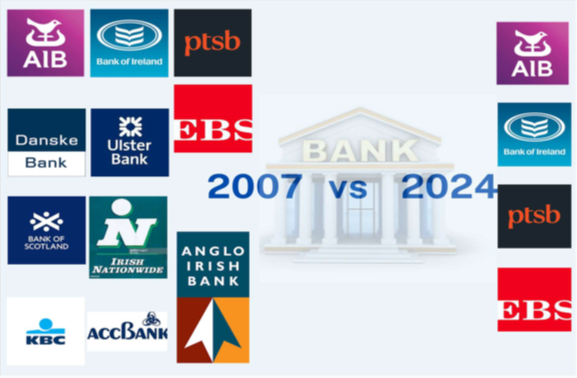
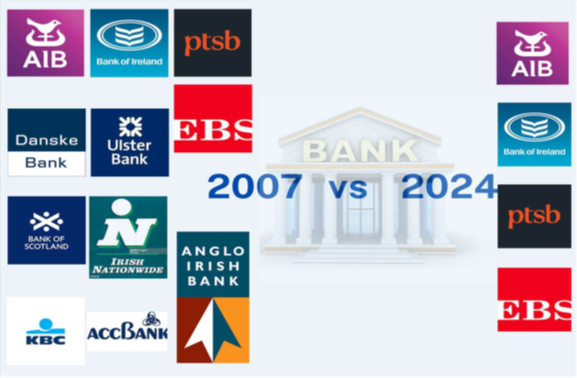
A glance at the evolution of the Irish banking sector over the past decade paints a stark picture. In 2007, there were 11 banks in the Irish market; by 2024, only four remain. Yet, despite this downsizing, none of the surviving institutions exhibit a palpable appetite for lending in the rental property domain. Among the sparse options available, Bank of Ireland and Permanent TSB emerge as having any real appetite for Buy to Let lending. However, they typically favour turnkey properties that guarantee an immediate rental income stream. This limitation has resulted in a notable issue for existing rundown or inhabitable properties, where refurbishment is necessary, exacerbating the challenge of addressing the shortage of rental housing.

Consequently, small builders, who typically take on such projects and have accumulated cash reserves to afford the necessary work, are tasked with this undertaking. However, this approach often results in a slower turnaround for these properties. Given that these properties tend to be in city centre areas, where demand is at its highest, this further adds to the urgency for more alternative lenders to enter the Irish market.

Alternative & Private Lenders

This reluctance to engage with properties requiring any refurbishment or development has left a conspicuous void in the market. Consequently, Alternative Lenders, Bridging & Development Finance, Crowdfunding and Private Lending initiatives have multiplied, outnumbering the traditional banking stalwarts.

With a stark lack of rental property in the Irish market, it isn’t any wonder these Alternative Lenders show a marked interest in residential lending. They typically offer loans where significant refurbishment is required, but they do come with a caveat: they can be costly form of finance. Look out for arrangement fees, legal fees, exit fees and minimum interest periods, not to mention higher than average interest rates. It can be hard to make a property deal financially viable not to mention the surge in building costs over the past year or two, making it challenging to render a property deal financially viable.

This financial situation can present a significant challenge, particularly in smaller cities and towns where, despite high rental yields, property values might not align with the costs associated with this lending strategy. As a result, this lending model tends to find greater success in larger cities characterised by higher property values and significant potential for future appreciation.

Private Lenders

Where does this leave the future of individual private investors interested in restoring tired and rundown properties for the much-needed rental market? Well, this is where the intriguing gap in the market can transform into an opportunity for private lenders. Some individuals with funds idling in deposit accounts, earning as little as 0.1% interest, have identified this gap. Rather than becoming landlords themselves, they recognise the security in property and have opted to provide private lending to property investors. These investors use the funds to purchase, refurbish, and rent out properties and by cutting out the middleman and bypassing banks, private lenders can now earn these higher interest rates themselves.

This peer-to-peer lending arrangement has created the potential for a win-win strategy for all involved including the cities and towns as this trend has inevitably led to an increased availability of vacant properties. However, it’s important to note that this avenue should only be explored after seeking careful legal advice and a comprehensive due diligence process on both the borrower and the property in question as with any investment, there’s a possibility of losing all of one’s capital.

Lisa O’Reilly

Email: lisa@lorpropertysolutions.ie

www.lorpropertysolutions.ie

April 2024

Read More

FIABCI Event – Doheny and Nesbitts Dublin

Read More

Brazil Trade Mission to Dublin June 2022

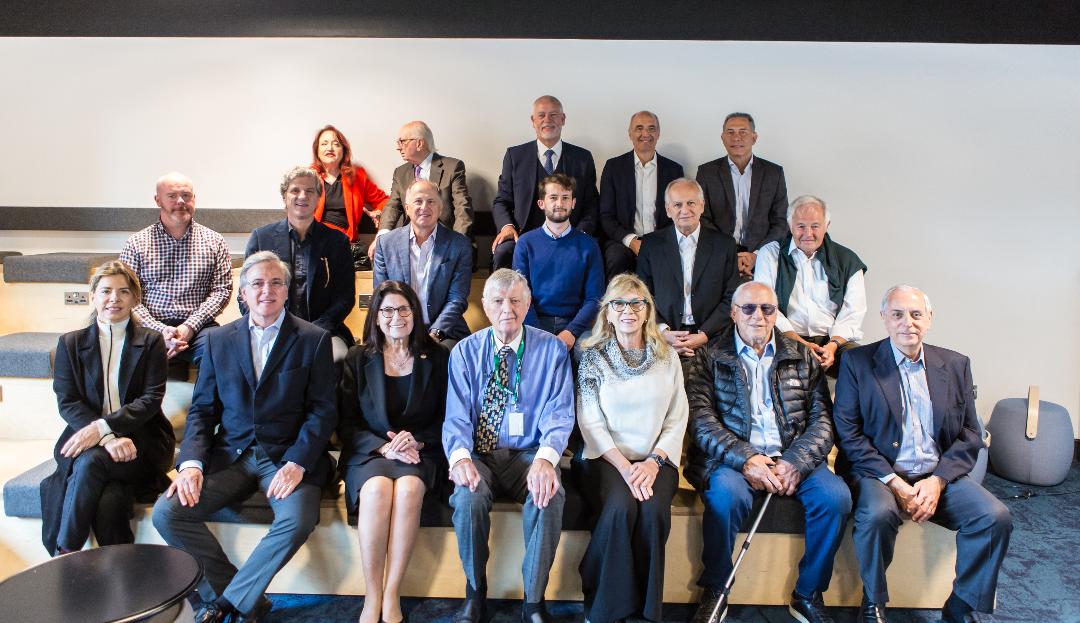
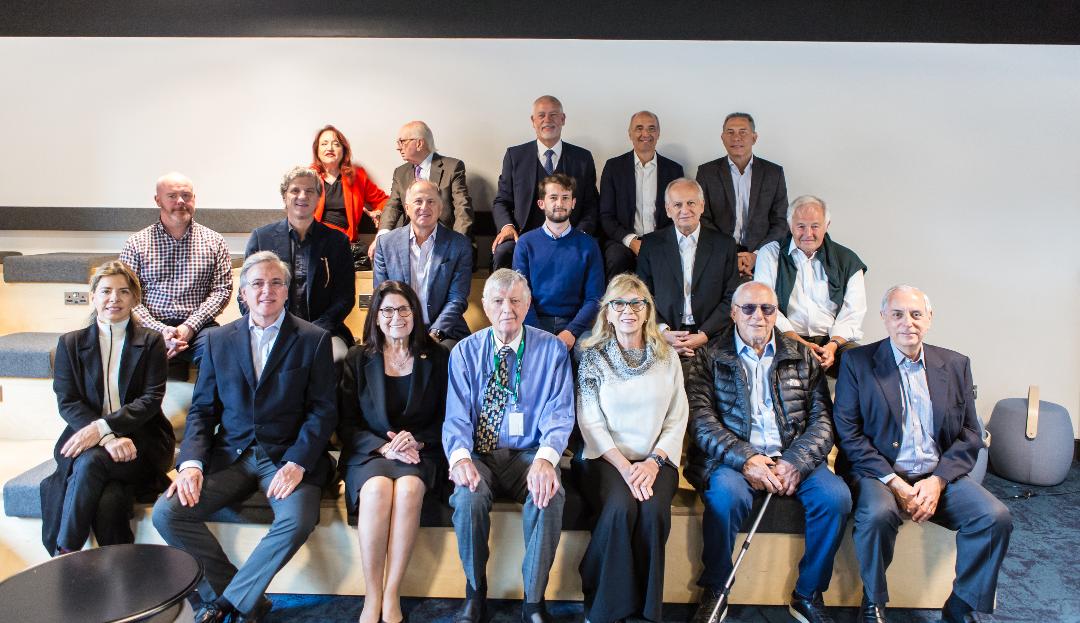
Participants: Mrs. Patricia Crisp, Mr. John P. Younge, Mr. Liam Hogan, Mr Basilio Jafet, Mr. Jorge Cury Neto, Mr Rodrigo Luna, Mr Mauro Dottori,  Mr Ricardo Yazbek and Mr. Tony Kirwan Mrs Fernanda Ferraz, Mr Jose Romeu Ferraz Neto, Mrs. Susan Greenfield, Mr. Laurence McCabe, Mrs Regina Dottori, Mr Jose Yunes and Mr Marcelo Terra.

Read More

New membership category

 Friends of FIABCI Ireland

Restricted category of membership open to property professionals both in Ireland and Internationally on application.
They will be Members of the Irish Chapter and may attend meetings and events and receive correspondence but may not hold office or vote at General Meetings and are not members of FIABCI International.


The purpose of this category is to promote the Chapter in Ireland and enhance the networking capability with the support of Irish friends and diaspora throughout the world. Membership fee for this category is €100 per annum.

Read More